Launch
DART
Flight #138 • Success
Details
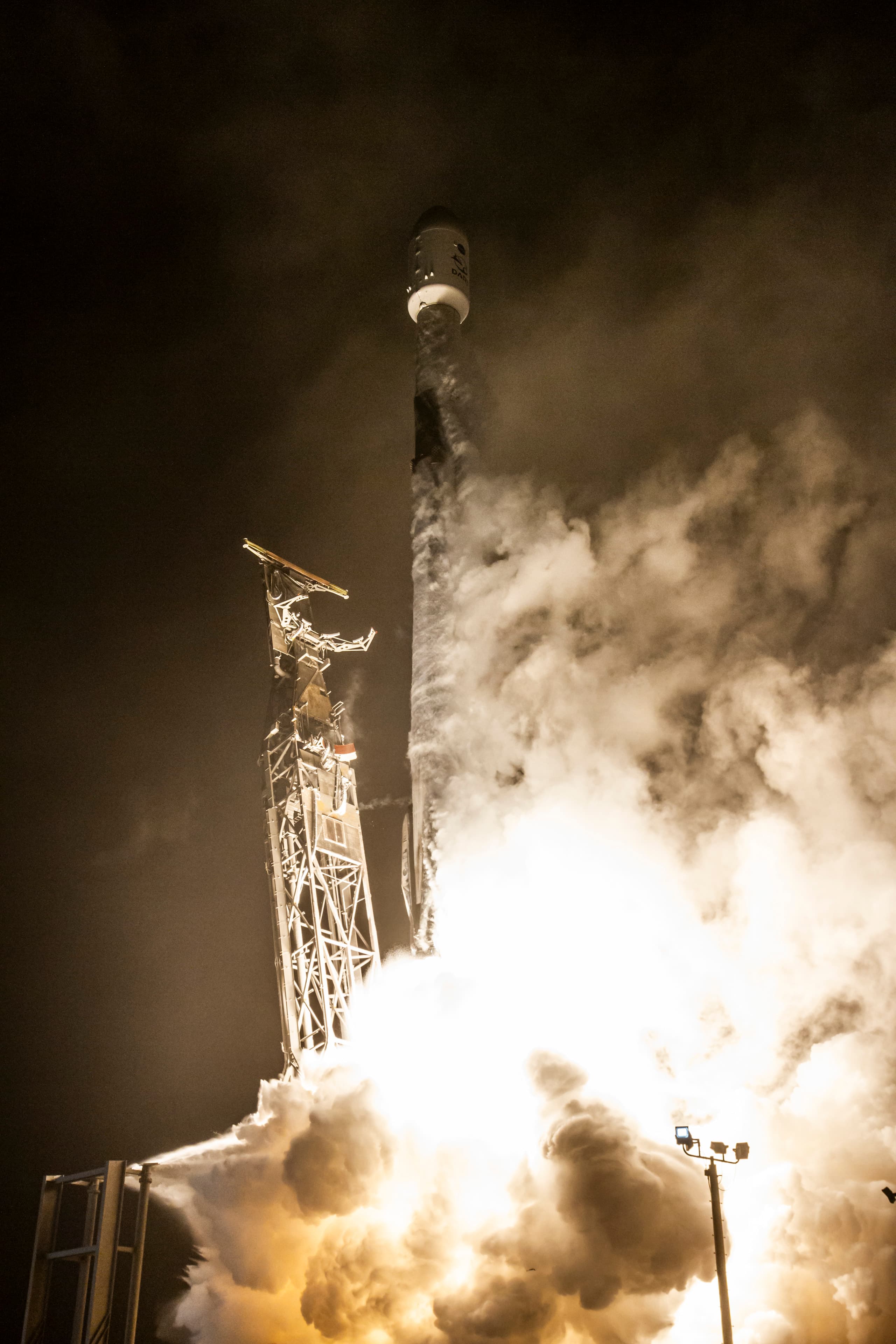
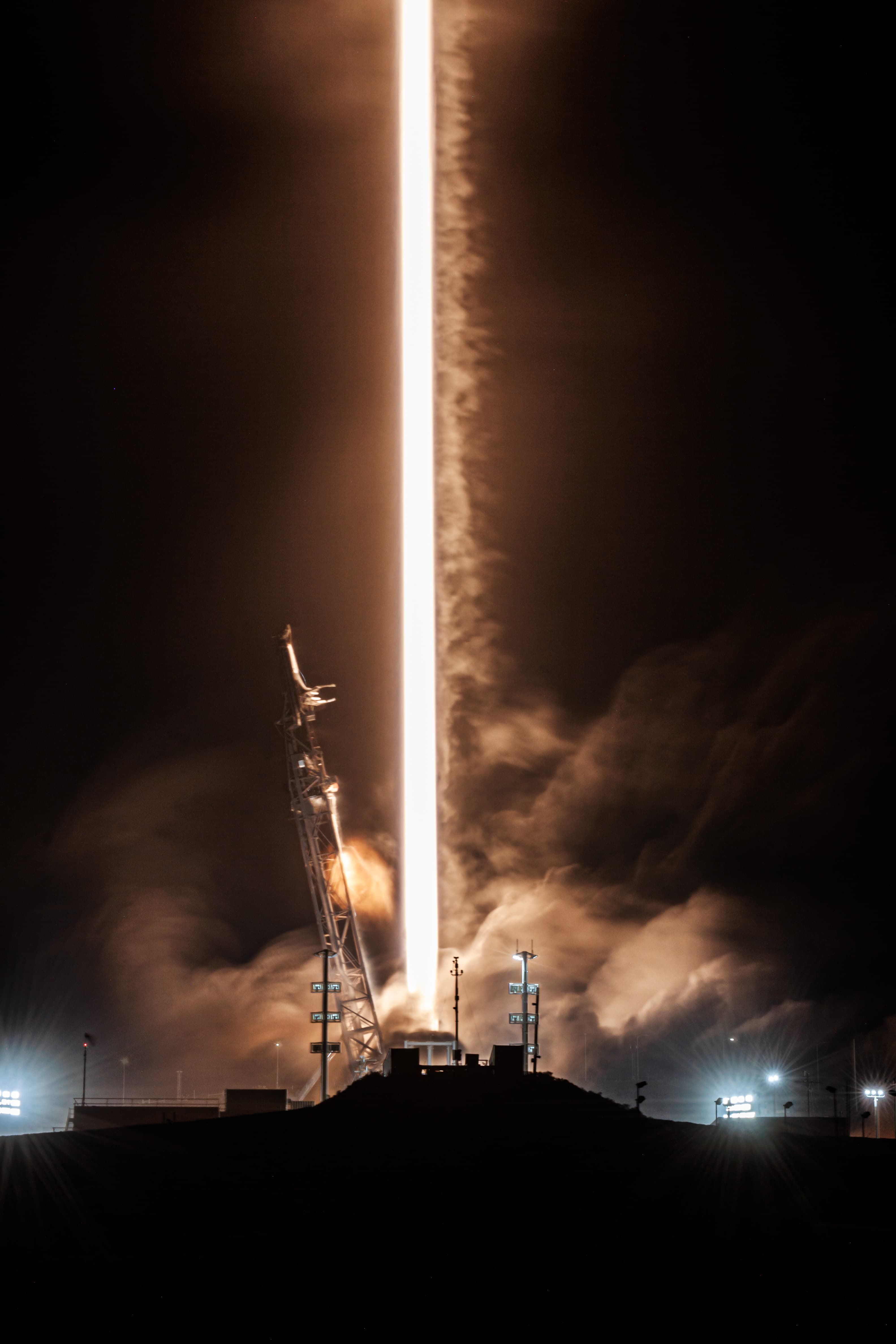
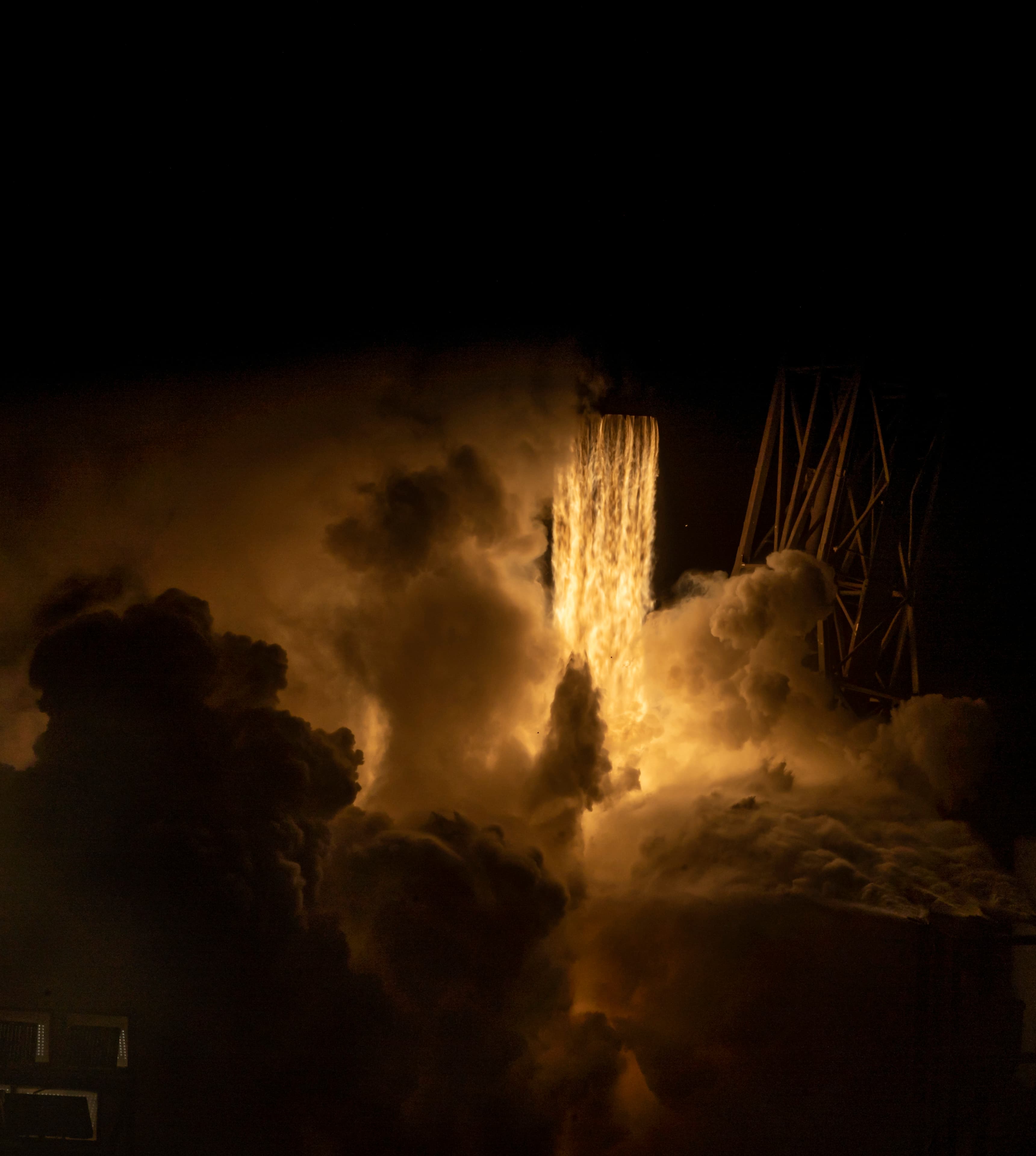
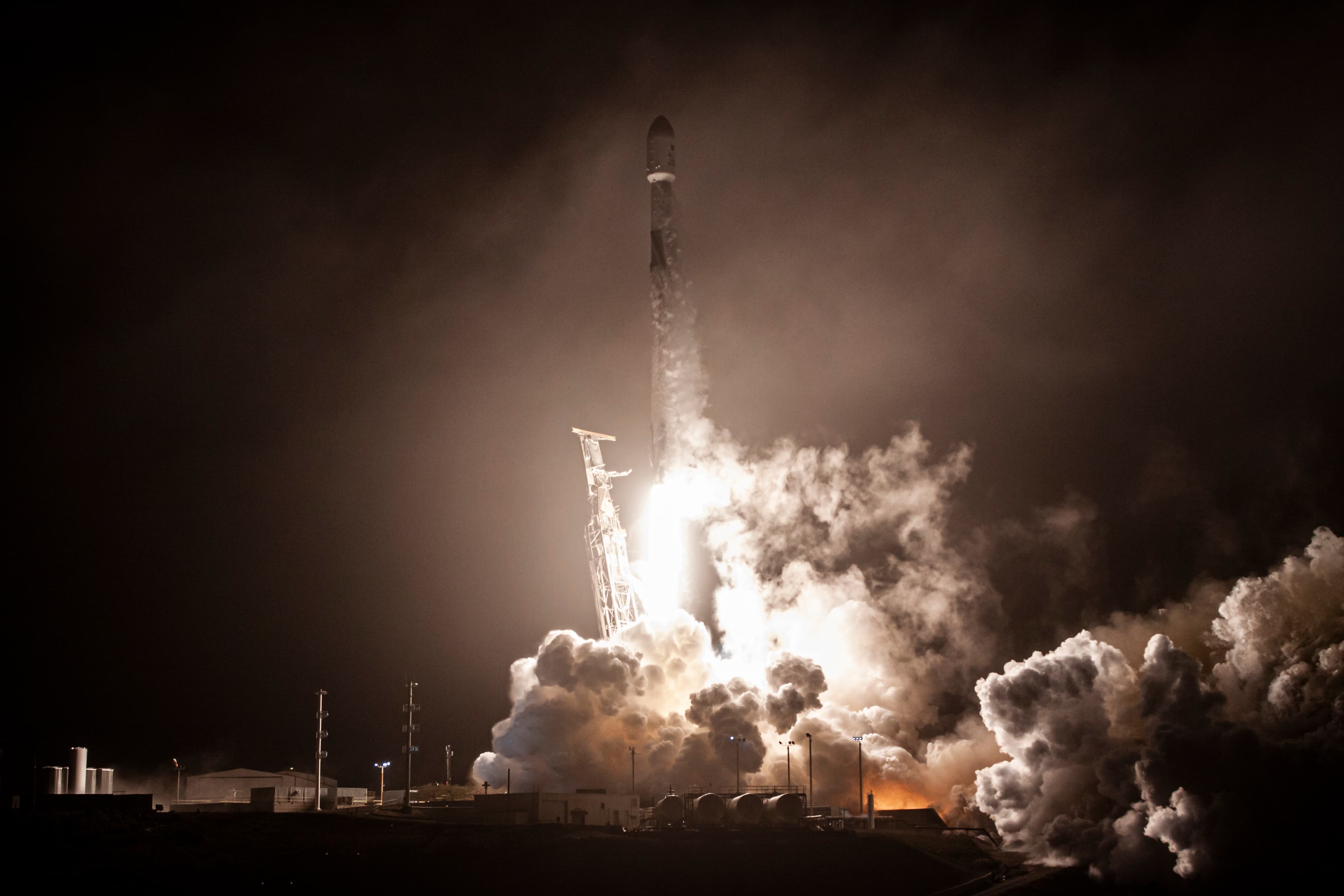
NASA's Double Asteroid Redirect Test (DART) will demonstrate the use of a kinetic impactor to alter an asteroid's trajectory, an intervention that could be used in the future to prevent devastating Earth impacts. The target system consists of Didymos, 780 meters in diameter, and its moonlet Dimorphos, 160 meters. The DART spacecraft will intercept the double asteroid, using autonomous guidance to crash into the smaller one. Moving at about 6 km/s, the transferred momentum should alter Dimorphos's 12 hour orbital period around its companion by several minutes. The mission tests several technologies, including the Small-body Maneuvering Autonomous Real-Time Navigation (SMART Nav) used to differentiate and steer toward the target body and Roll-Out Solar Arrays (ROSA) with Transformational Solar Array concentrators. NASA’s Evolutionary Xenon Thruster — Commercial (NEXT–C) ion engine will also be demonstrated, although the spacecraft's primary propulsion is hydrazine thrusters. DART should arrive at Didymos in late September 2022, when it is about 11 million kilometers from Earth. Ten days before impact, the Italian Space Agency's cubesat LICIACube will be deployed to observe the collision and ejecta with its two cameras. Earth-based telescopes will be used to measure the altered orbit.
Webcast
Overview
Date (Local): November 24, 2021
Date (UTC): November 24, 2021
Rocket ID: 5e9d0d95eda69973a809d1ec
Launchpad: 5e9e4502f509092b78566f87
Cores
Core: 5f57c54a0622a633027900a1
Flight: 2
Reused: Yes
Landing Success: Yes
Landing Type: ASDS
Landing Pad:
Gallery

Payloads
5fe3c4a6b3467846b3242192
Ships
5ea6ed30080df4000697c913
5ea6ed2f080df4000697c90b
5ea6ed30080df4000697c912